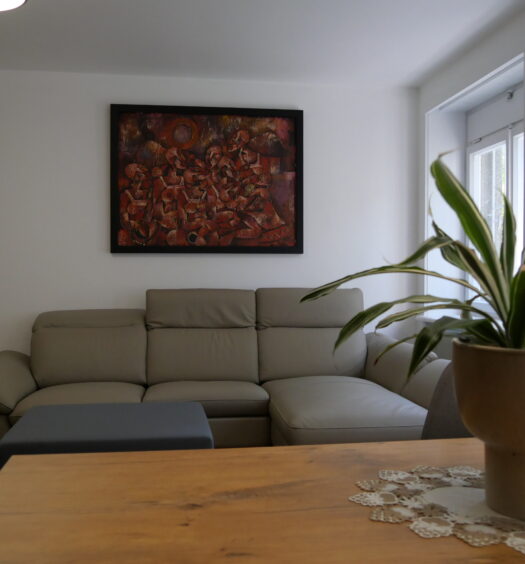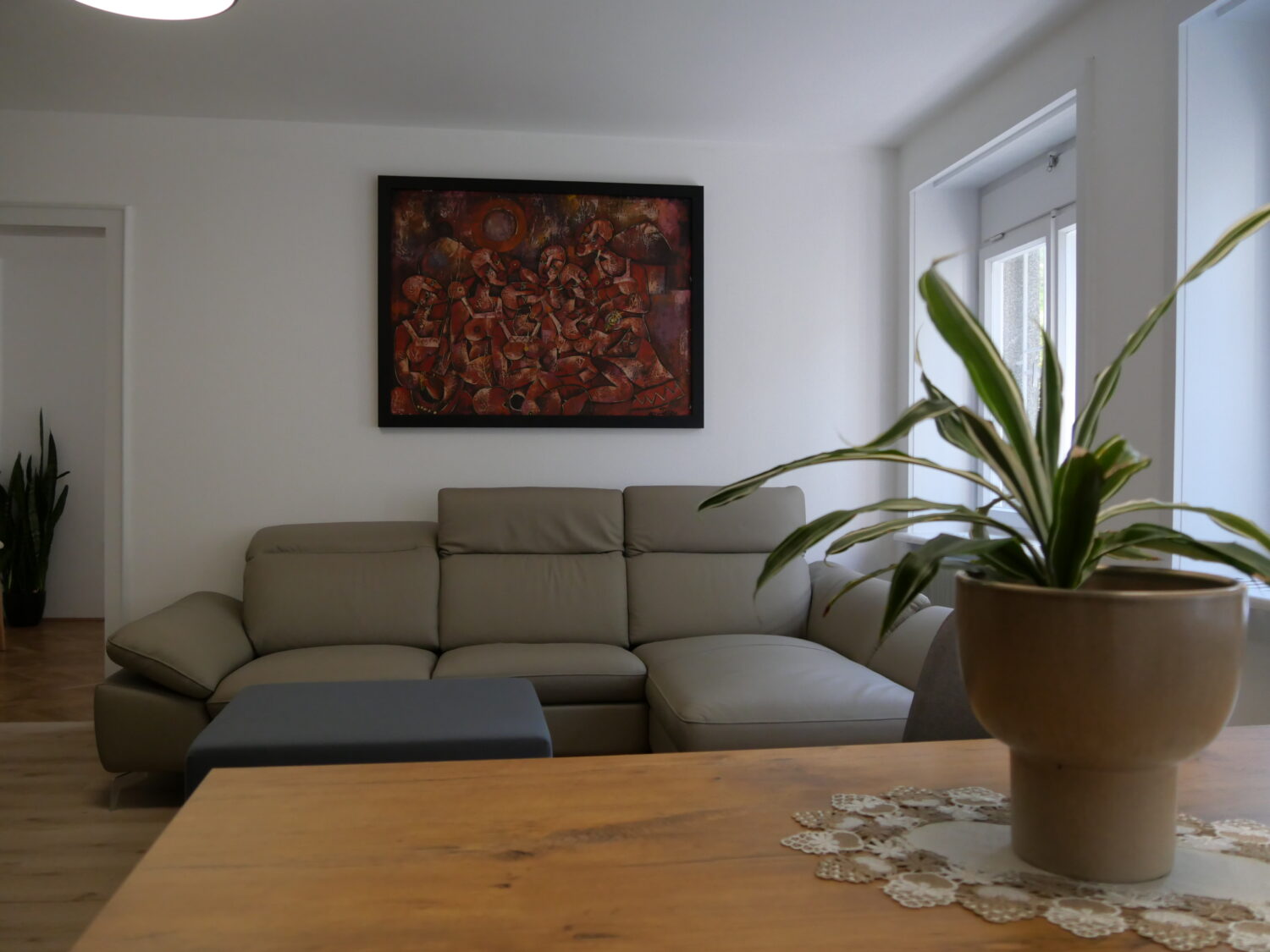
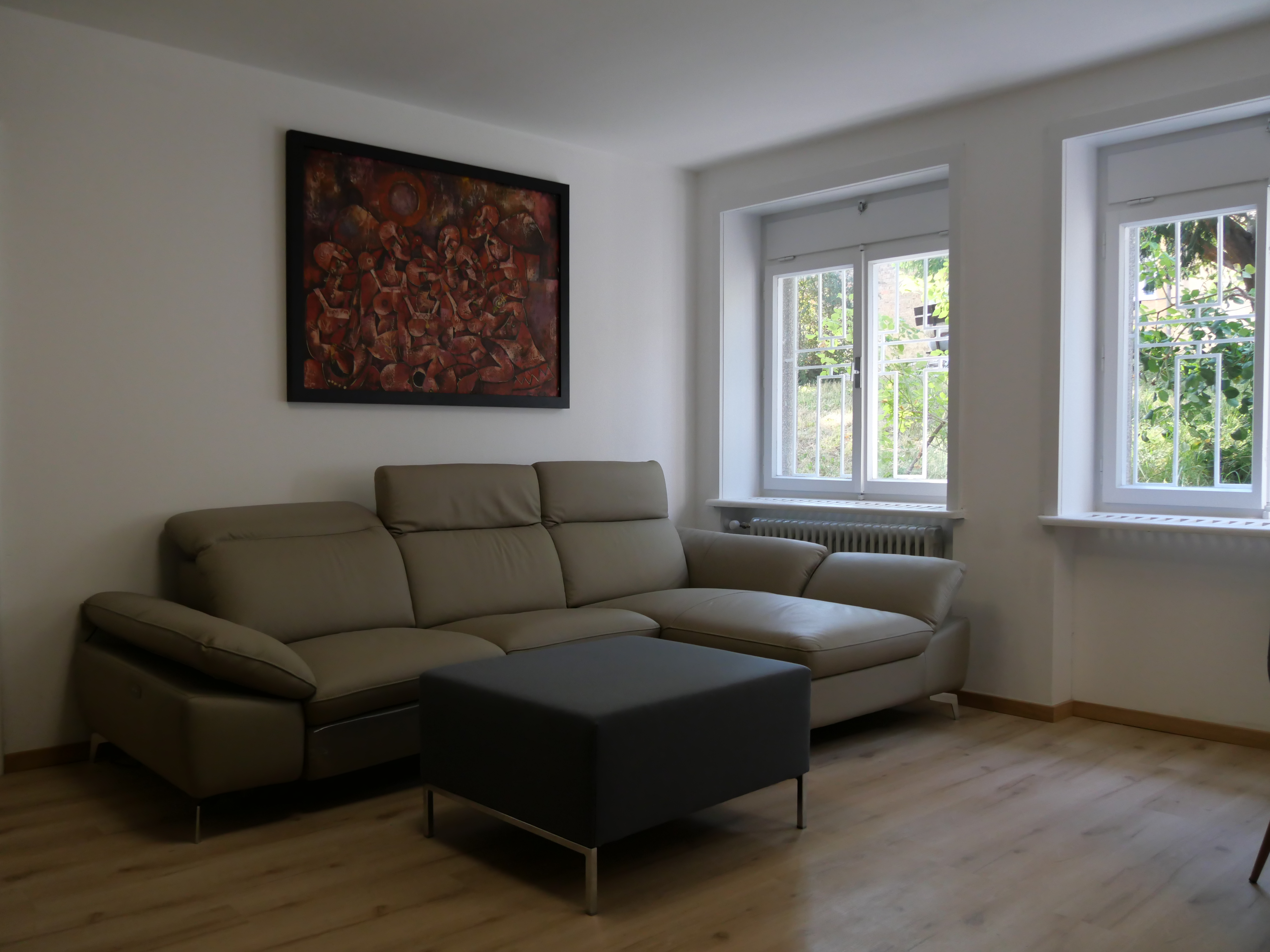
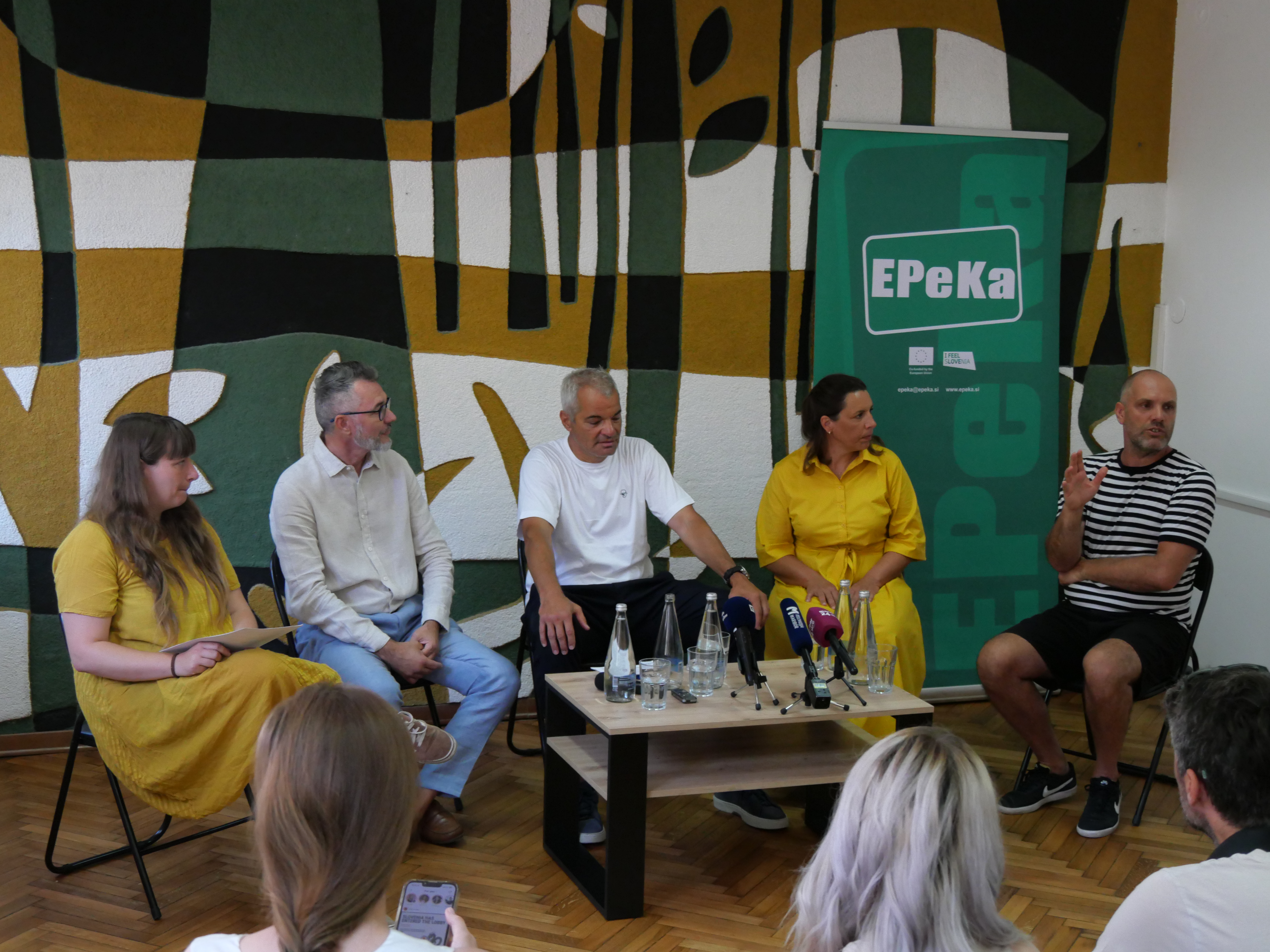
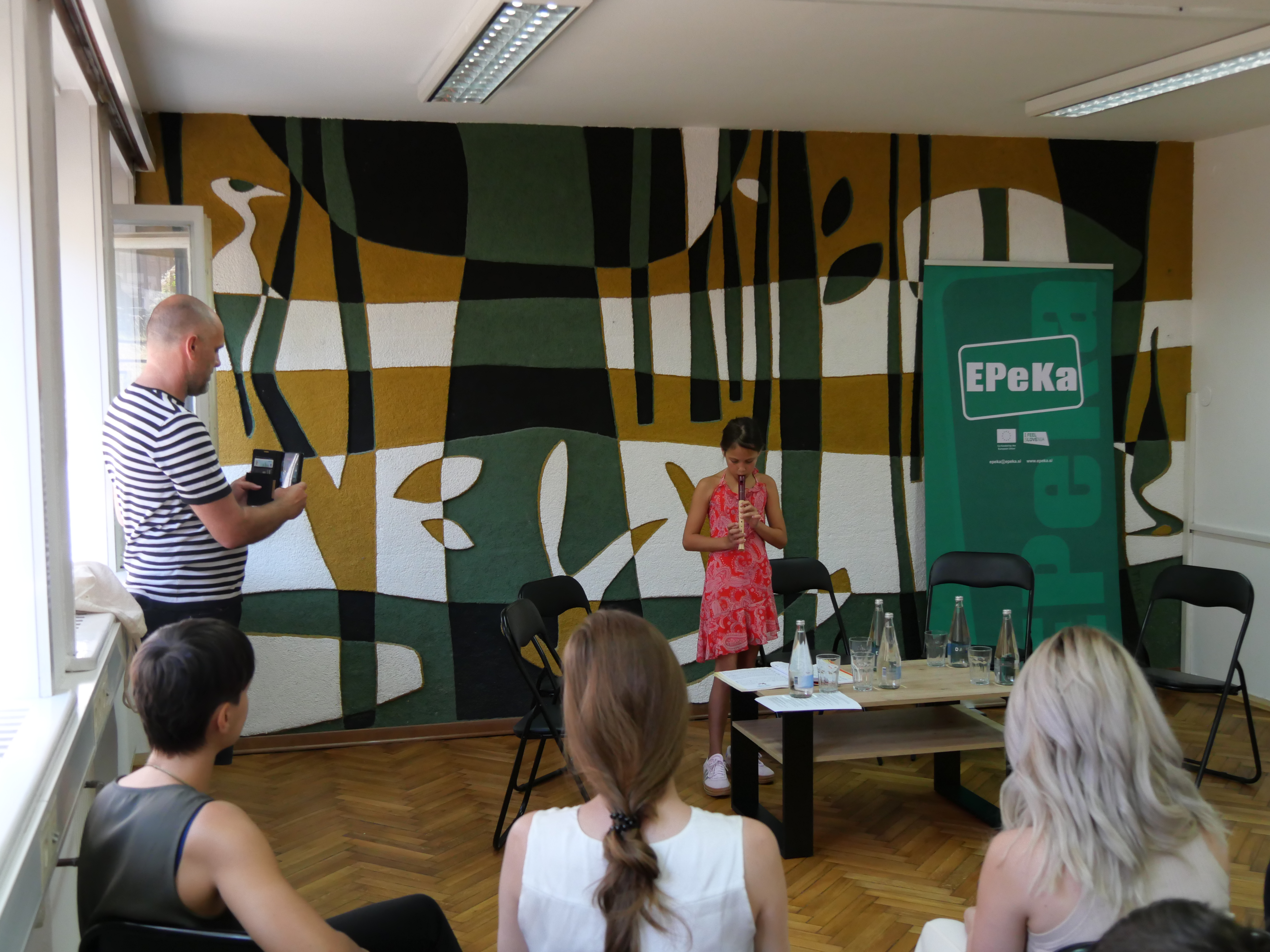
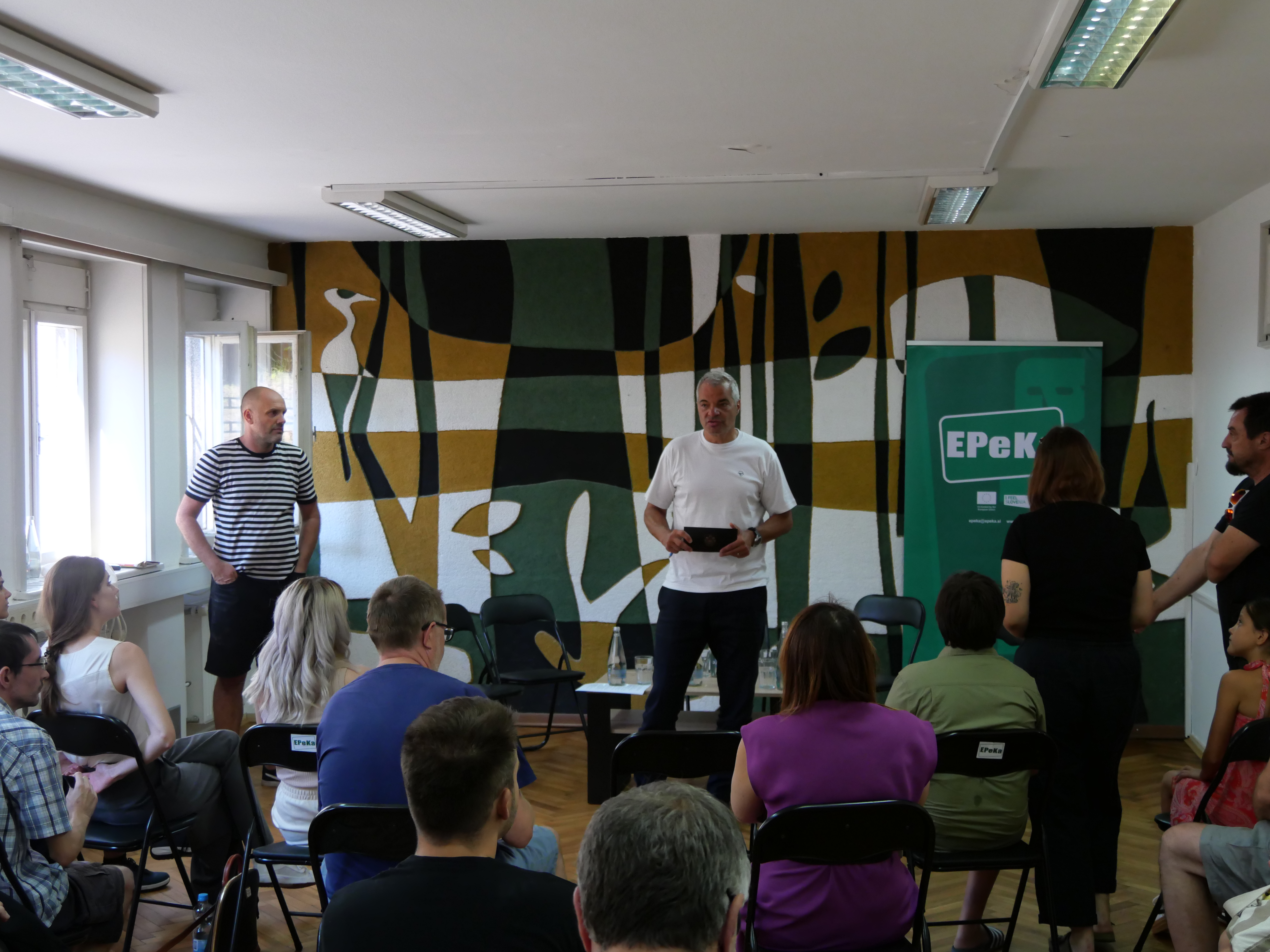
On Friday, 31 July 2026, the official opening of the first cooperative housing for young people in Slovenia, operating under the auspices of the European Housing Cooperative EPEKA, SCE, took place in the basement at Tyrševa Street 15 in Maribor. The event, which began with a short press conference and a tour of the newly created premises, also served with a roundtable of experts on the burning housing issue in the city.
Humble beginnings and bold plans for the future
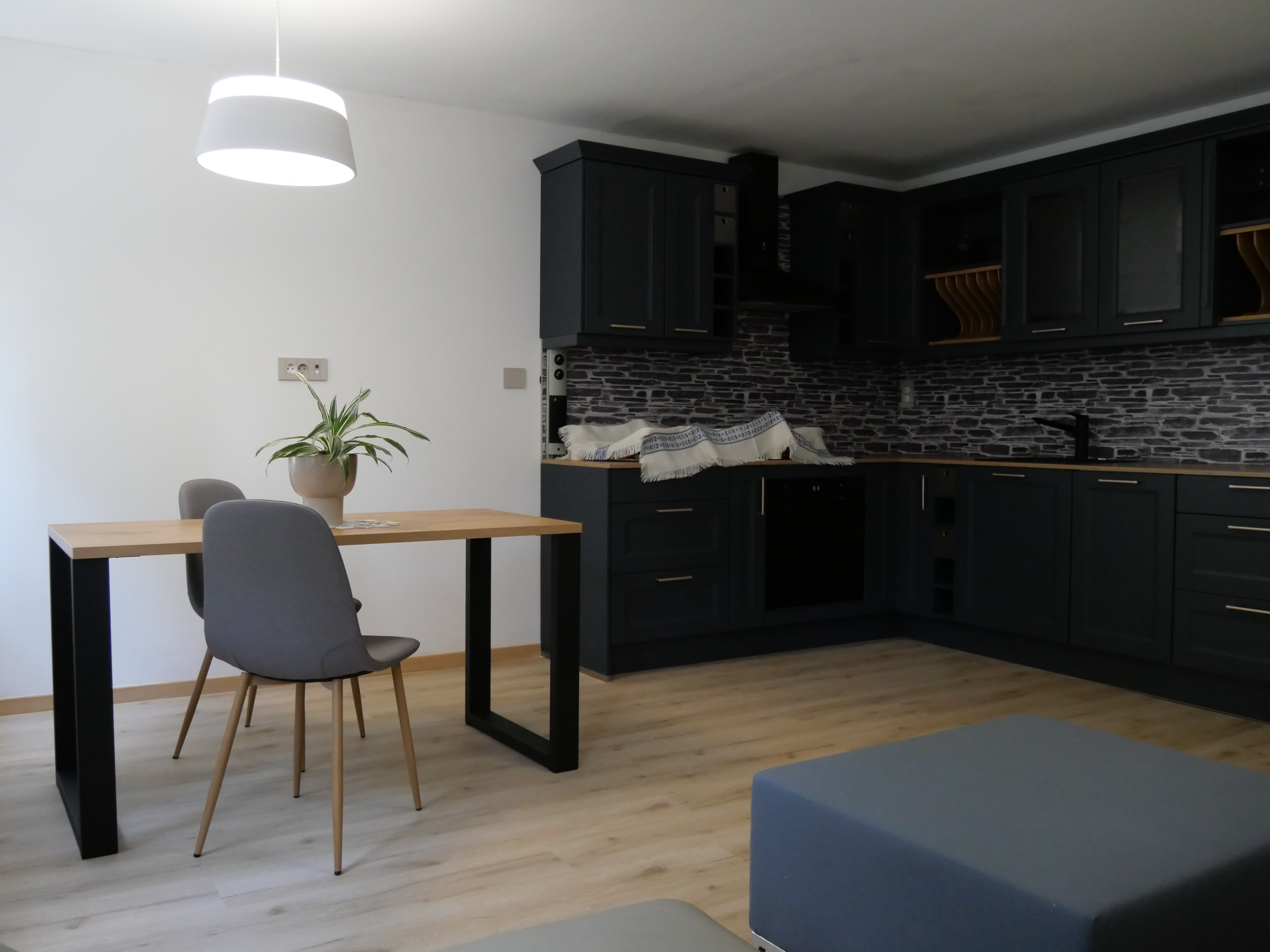
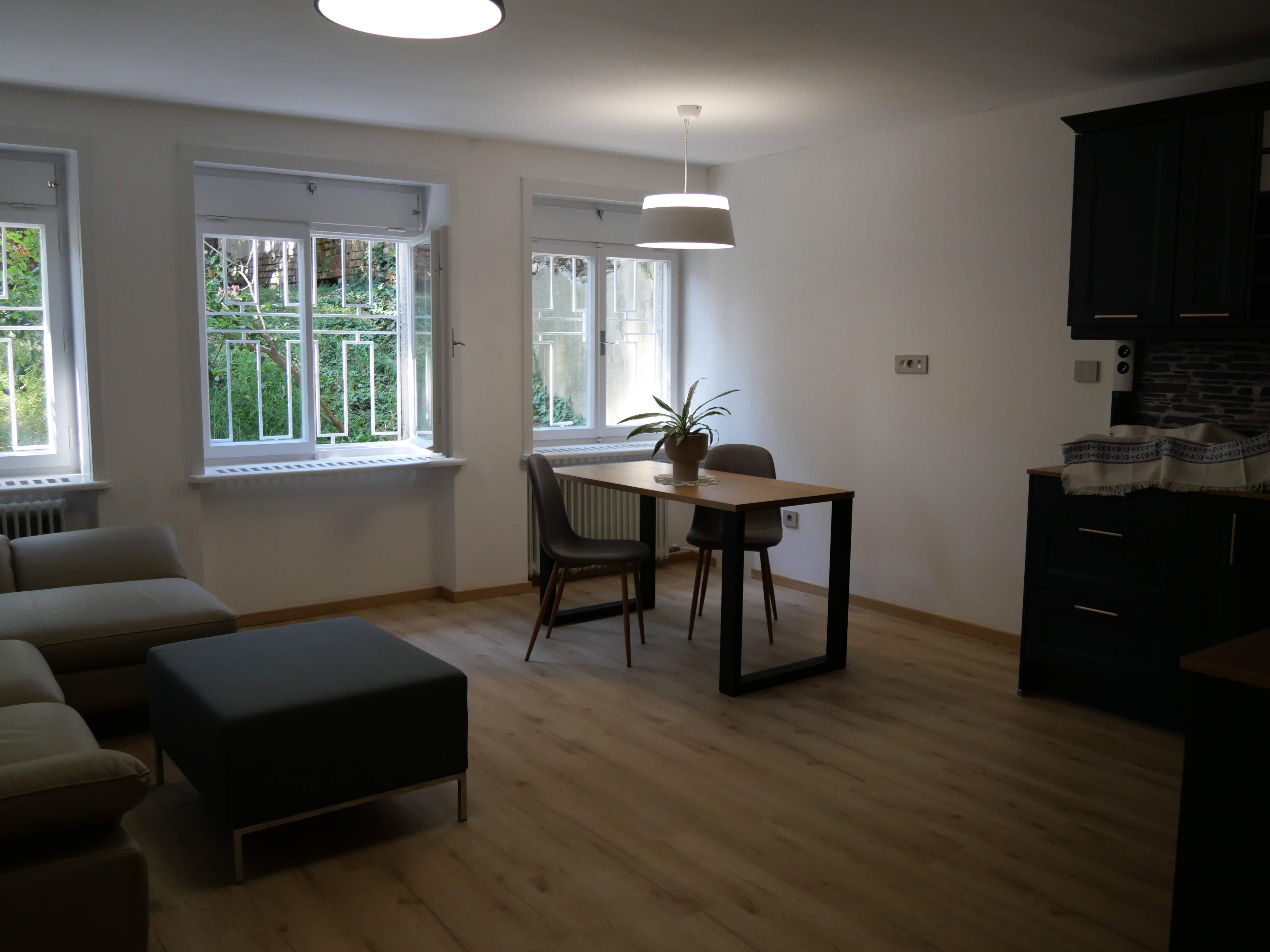
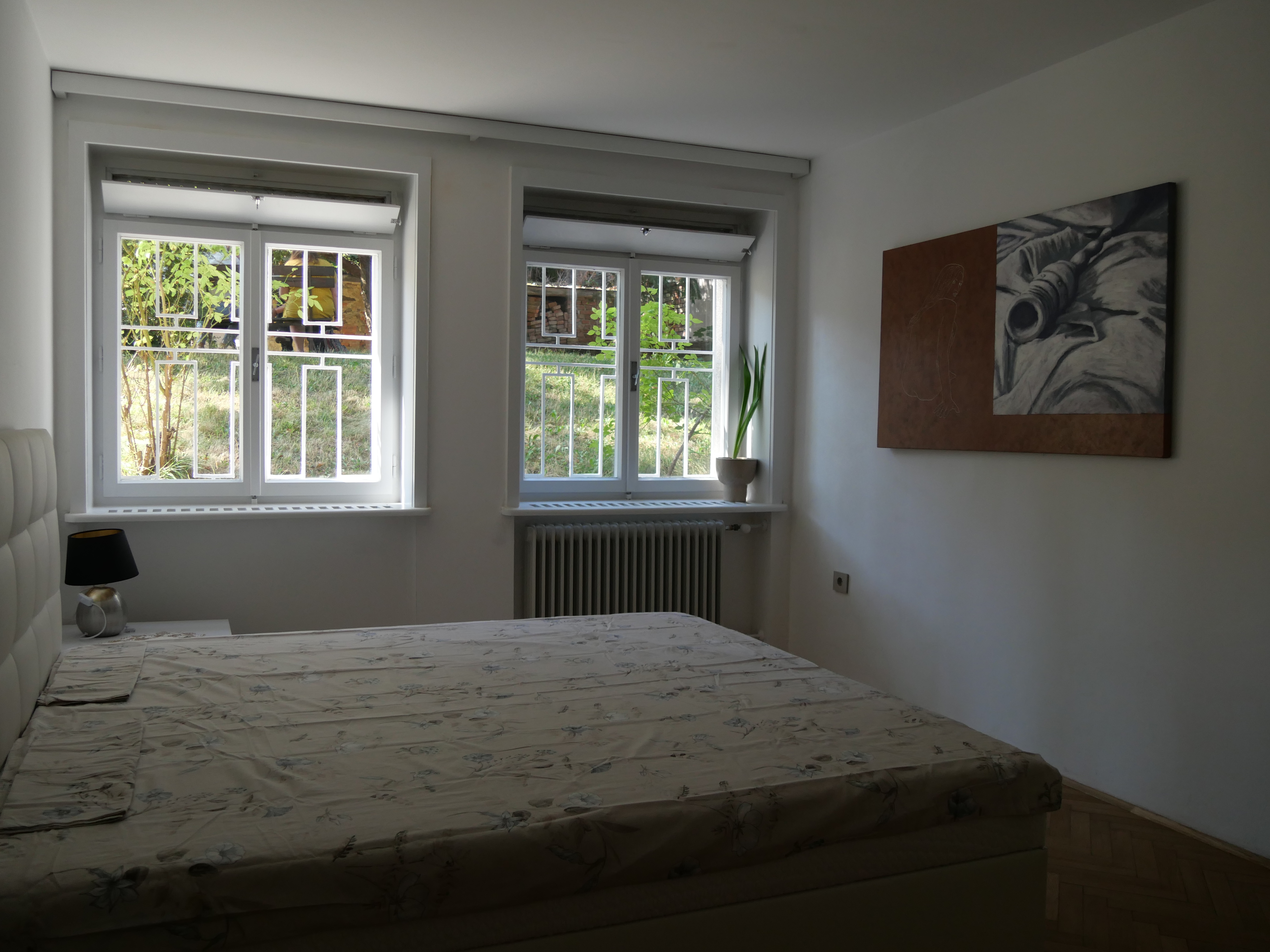
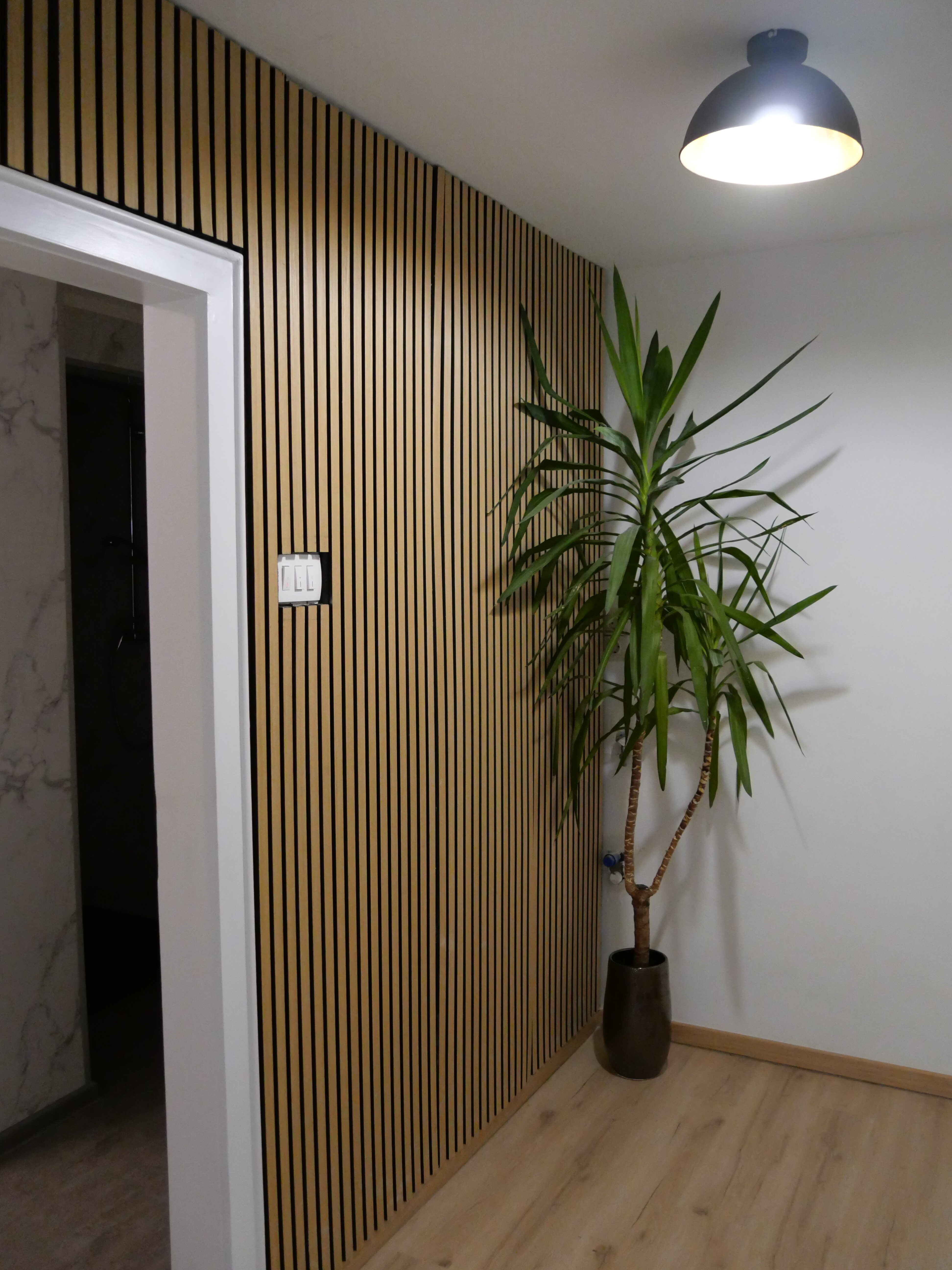
As the president of the Epeka Association, Štefan Simončič, explained at the opening, the idea of a cooperative apartment germinated a decade ago, and they have been working more intensively on the project since 2020. Despite its semi-basement location, the apartment on about 50 square meters of space looks bright and comfortable and includes a bedroom, bathroom and living room with kitchen.
The apartment is owned by members of the Epeka Cooperative — seven individuals who have invested their own capital — and will be rented out on a non-profit basis. Part of the profit generated will be directly invested in the purchase and arrangement of new cooperative housing. Although they originally planned to build a total of 16 apartments, they were complicated by a public auction due to the lack of priority buy-out rights for cooperatives, so they are now negotiating with a private investor who bought the rest of the building to further cooperate and expand community housing. In October, they are planning a public tender to select the first resident, or young staff, who will be able to make a significant contribution to the community.
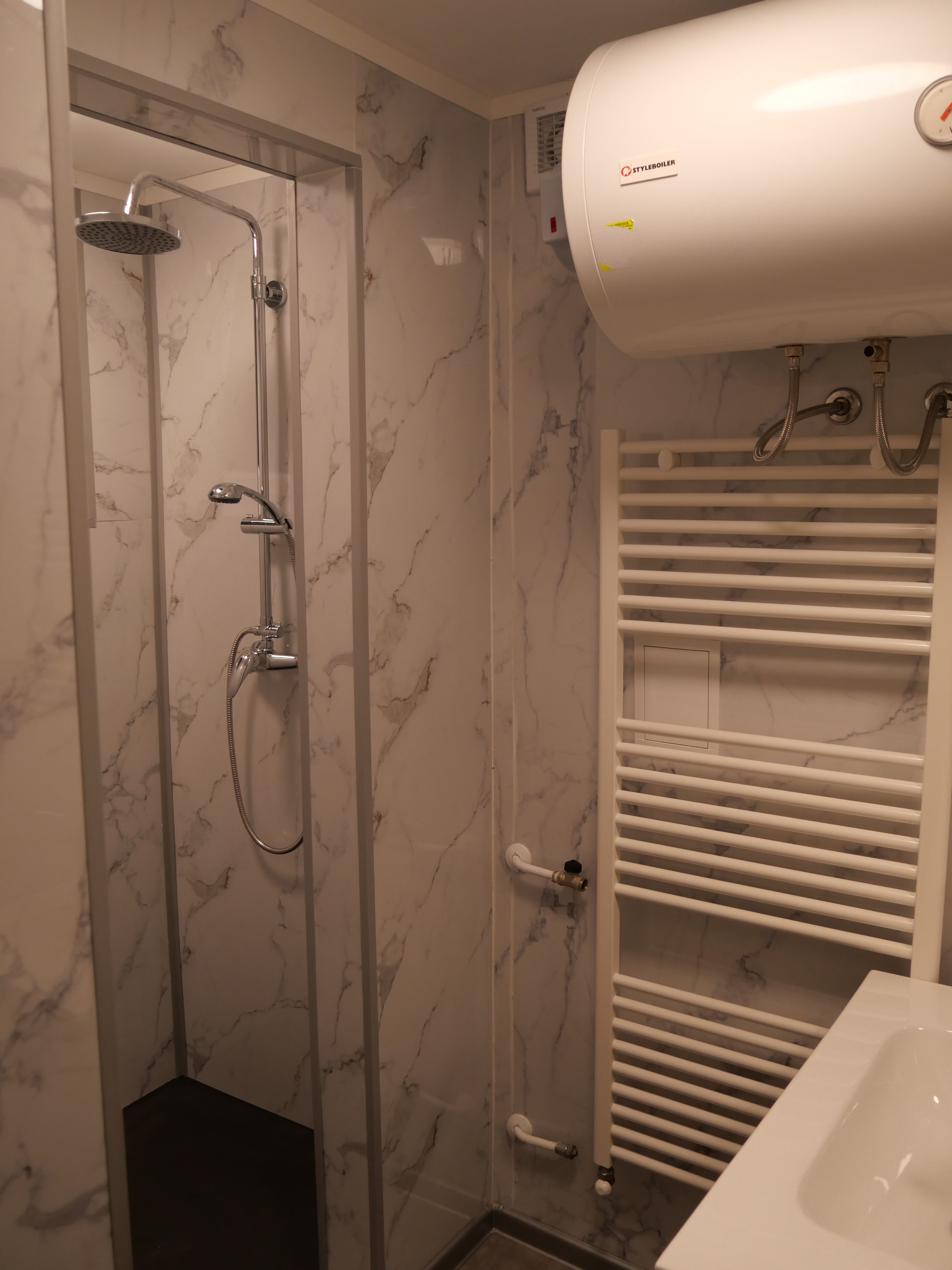
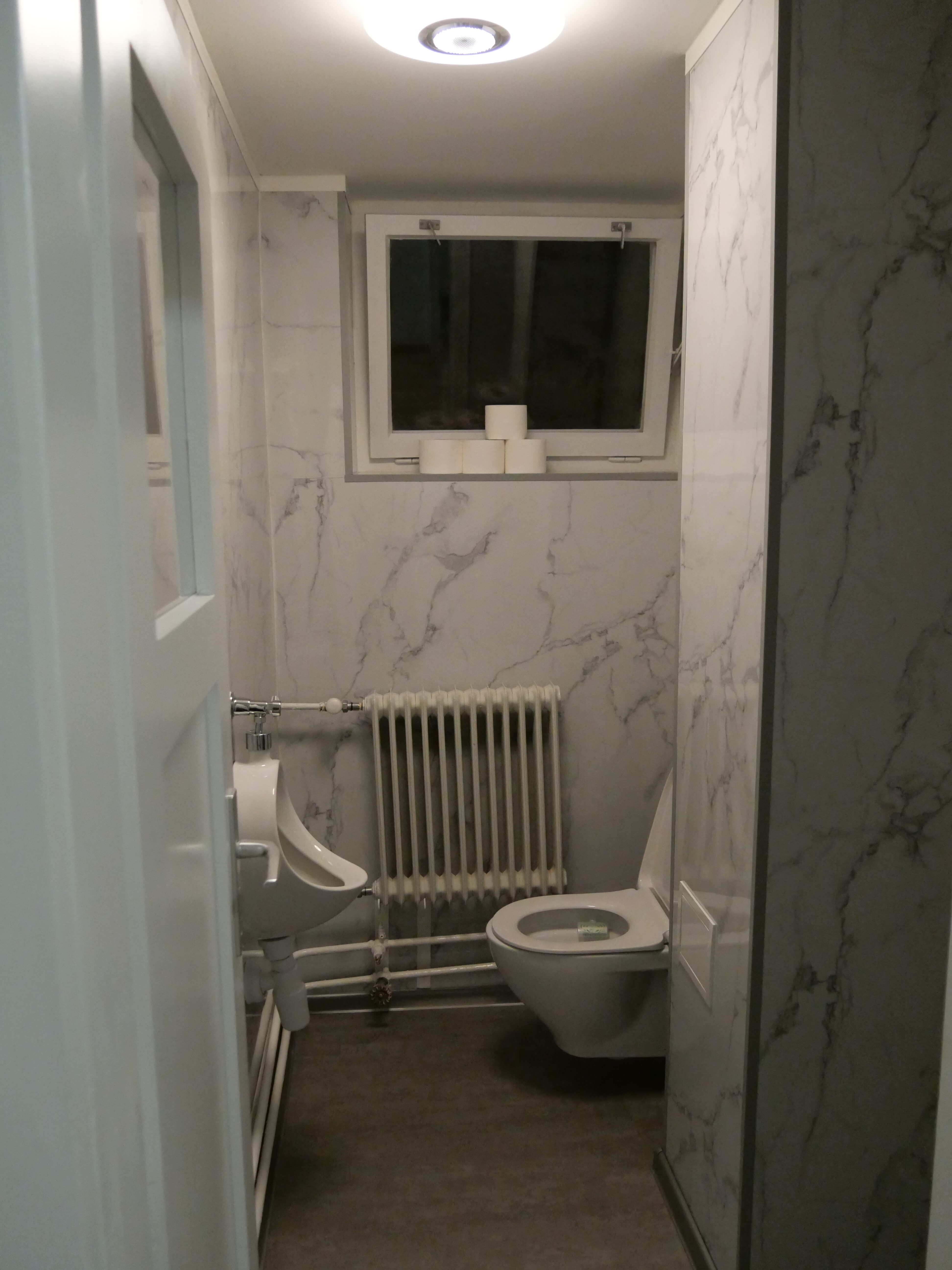
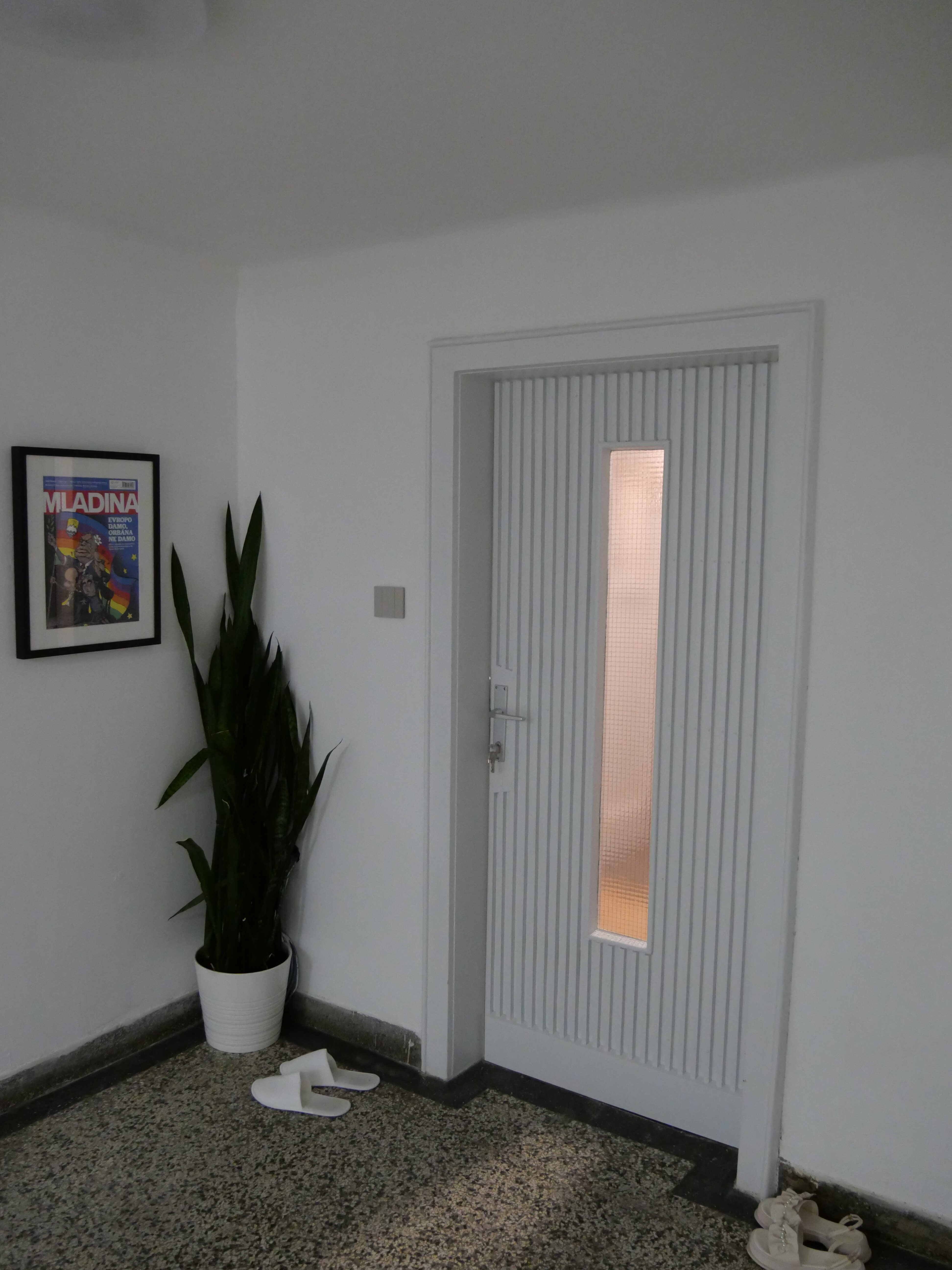


Why are housing cooperatives a solution for young people?
The establishment of the EPEKA Housing Cooperative brings more affordable and sustainable housing and actively strengthens the development of the local community. Since cooperatives are not profit-making and share operating costs, they represent a more affordable alternative to the classic real estate market. Members manage their own homes, which gives them greater control, encourages mutual cooperation and strengthens social cohesion.
A similar model has long been successfully established around the world – in Finland, for example, cooperatives dominate more than 60% of the market, and international studies confirm their greater affordability, energy efficiency and higher level of sustainable living compared to traditional rental housing.
Key objectives and wider societal relevance of the project
The public-private cooperative model aims to lay solid foundations and a model for all future projects to solve the housing problems of young people and society in general. The main objectives of the cooperative include:
- Activation of vacant and unused spaces: Through public-private partnerships and non-profit housing entities, they want to encourage the use of vacant properties and retrain abandoned office buildings in city centers into modern, green housing units.
- Greater legal certainty in the rental market: By implementing measures to stabilise the market, they aim to protect both landlords and tenants.
- Nonprofit Stewardship: Entering the stewardship market with the goal of supporting public systems for building and managing homes.
- Simplification of procedures: Promotion of faster placement of housing projects in space and simplification of permitting procedures by the civil sector.
- Public-private cooperation: Active participation in the construction of a uniform housing support system for young people and young families, including obtaining favourable loans from relevant institutional partners.
The event was also attended by the Mayor of Maribor, Saša Arsenovič, who welcomed the initiative and drew attention to the large housing deficit in the city, while representatives of the Housing Fund of the Republic of Slovenia and the Public Inter-Municipal Housing Fund emphasized that Epek’s work is an important pilot project that opens the door to new solutions on the Slovenian market.


POGLEJTE TUDI
You Might Also Like