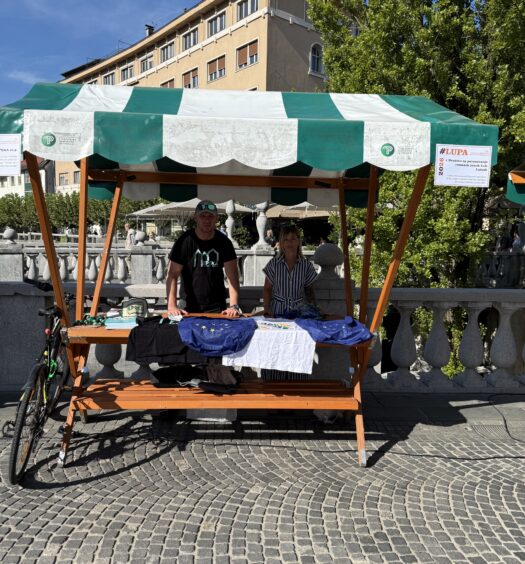
Members of the Epeka Association attended the Annual Accompanying Meeting, which brought together representatives of youth organizations from all over Slovenia. The online event, organised by MOVIT, addressed one of the key questions of our time: how can youth organisations effectively manage risk in a rapidly changing world?
At a time when we are faced with natural disasters, cyber threats, hybrid challenges and ever-evolving ethical and organisational pressures, it has become clear that ‘minimal but effective preparedness’ is no longer just a recommendation, but a necessity. The meeting was designed on the basis of the Preparedness Strategy and the Quality Standards of the Erasmus+ and European Solidarity Corps programmes.
The meeting offered a comprehensive overview of the areas that are key to ensuring safety and continuity of work:
- Strategic framework: Nataša Šip (Representation of the European Commission in Slovenia) presented the Strategy for a Union of Preparedness, which lays the foundations for a more resilient European society.
- Cybersecurity: Dr. Andrej Baričič (BDO Audit) warned that a good antivirus program is unfortunately no longer enough today. Participants were given clear guidance on the information security measures that all organizations should implement to protect their digital operations and participants’ data.
- Psychological and social security: Ajda Černe (Association for Power) shed light on the issue of hardship faced by project participants. She outlined the necessary protocols and guidelines to ensure a safe environment where youth workers feel empowered to identify and address such crises.
- Prevention and crisis response: Matjaž Vouk (Civil Protection of the Municipality of Škofja Loka) used his first-hand experience to show how important it is to identify dangers before the project is created. He encouraged participants to reflect on their “emergency exits” and the importance of proactive safety planning.
The afternoon session was followed by a rich exchange of experiences. Representatives of the organizations Zavod Manipura, Slovenian Philanthropy, Youth Center Zagorje ob Savi and the CIK – Cirkus la Bul Association shared concrete examples of how they themselves prepared for unpredictable situations. The panel showed that organizations should not operate in isolation, but that knowledge sharing among colleagues is the most effective tool for building shared resilience.
The 2026 Annual Follow-up Meeting confirmed that preparedness is a process and not an end state. Awareness of risks is the first step, but only with concrete protocols and community integration can youth organizations provide a safe and quality environment for young people, regardless of external circumstances.
POGLEJTE TUDI
You Might Also Like